When I first started learning crochet, I honestly thought “beginner yarn” meant going small and precise. I followed what I saw recommended, picked up a 2.0 mm hook, and paired it with a thin 4-ply yarn — without really understanding how hook size affects learning. I told myself this was the proper way to learn.
In my head, thinner felt more serious — more skilled. I thought if I could handle fine yarn, everything else would come naturally. What I didn’t expect was how quickly that confidence would disappear once I actually started crocheting.
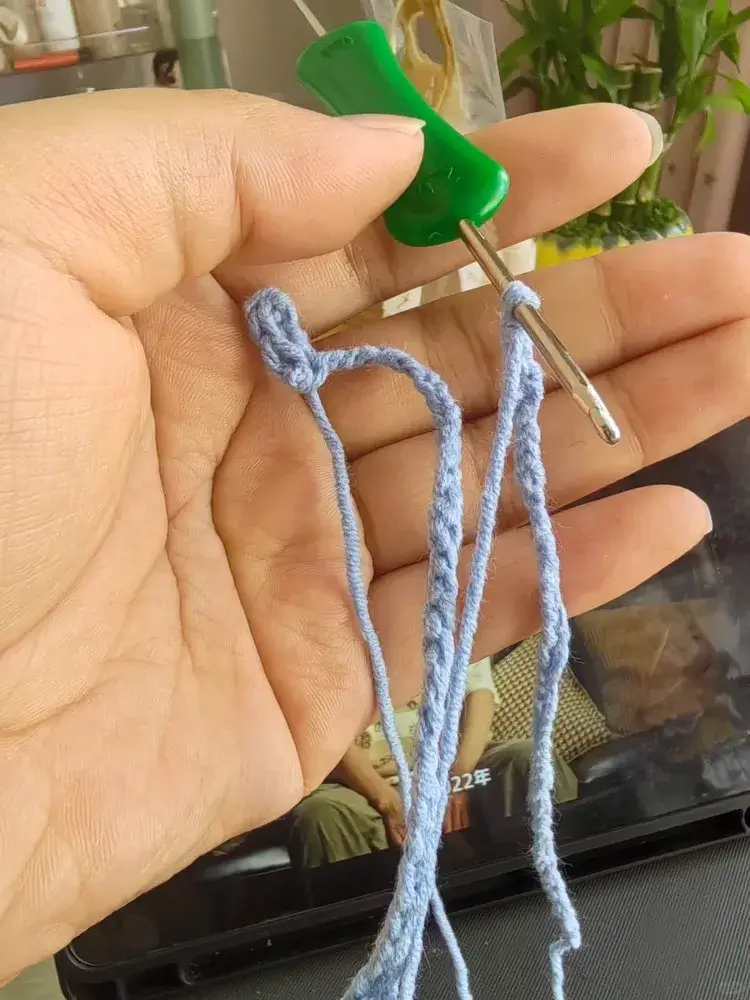
The stitches were tiny, the yarn split constantly, and I couldn’t even tell what I was doing wrong. At the time, I didn’t question the yarn choice at all — I just assumed this was what learning crochet was supposed to feel like.
What Actually Matters in Beginner Yarn
After struggling for a while, I slowly realized that beginner yarn isn’t really about brand names or fiber types. At the beginning, I kept thinking I just hadn’t found the right yarn yet — when in reality, I was asking the wrong questions.
What mattered much more was how the yarn behaved in my hands. Could I clearly see each stitch? Did the yarn split when I hesitated? Did the hook move smoothly, or did every step feel like resistance?
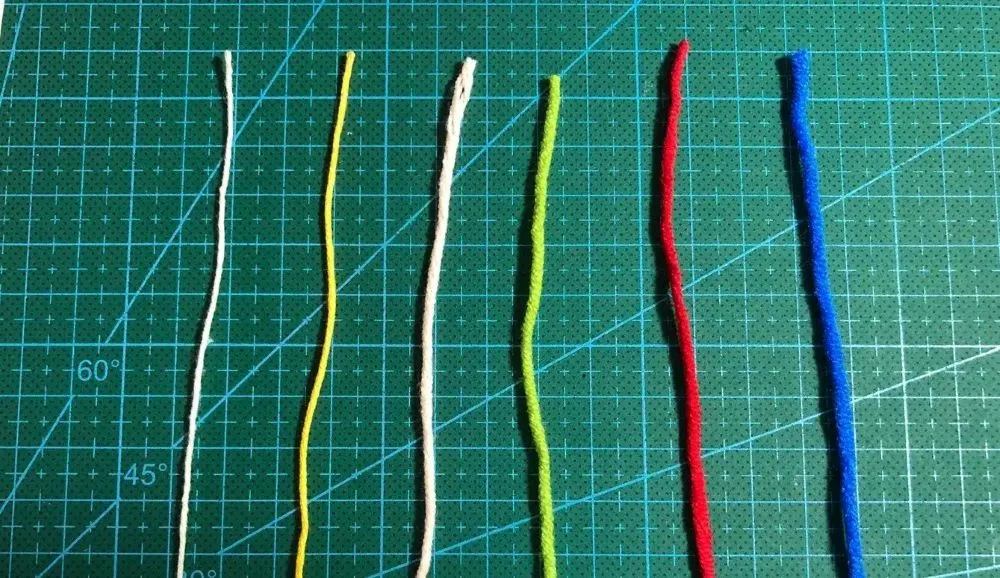
As a beginner, being able to read what you’re doing matters more than anything else. That’s also why starting with simple stitches like the chain stitch and single crochet felt so important later on. If the yarn hides your stitches, it doesn’t just slow learning down — it makes everything feel uncertain.
The Yarn That Changed Everything for Me
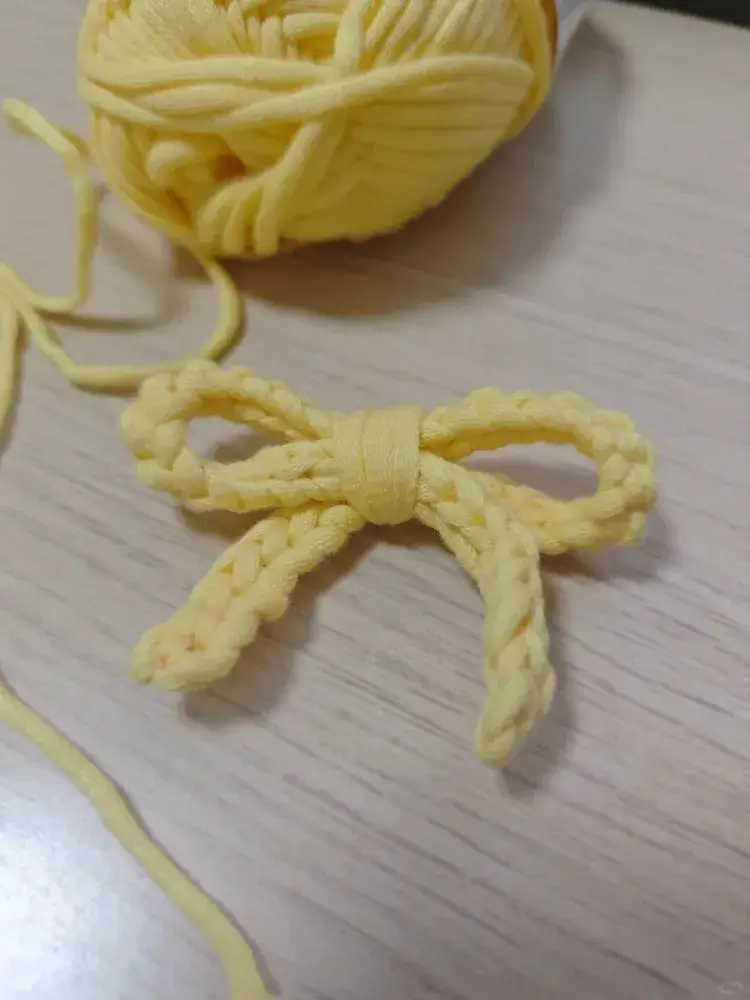
Things finally started to make sense when I switched to a smooth, tightly spun cotton yarn that was just a little thicker — around DK to light worsted weight. It wasn’t about buying something fancy — just choosing yarn that actually cooperated with beginner hands.
For the first time, the yarn didn’t split when I slowed down. The stitches showed up clearly, almost outlining themselves. I wasn’t guessing anymore — I could actually see what my hook was doing.
That was the moment I realized the problem wasn’t my hands.
It was the yarn.
What I’d Personally Avoid as a Beginner
Looking back, there are a few things I’d gently tell my beginner self to skip — not forever, just not at the start.
- Very thin yarn (4-ply that’s too fine) — it made every stitch harder to see and turned small mistakes into big frustrations.
- Hooks under 3.0 mm early on — everything felt tight, tiny, and way more stressful than it needed to be.
- Fuzzy or fluffy yarns — pretty to look at, but impossible to read when you’re still learning where stitches go.
- Black or very dark yarn — even in good lighting, I couldn’t see what I was doing and constantly doubted myself.
- Highly textured wool or novelty yarns — the repeated stitch patterns were exhausting to work through and tough on the eyes.
None of these are “bad” — they just weren’t helpful for me when I was still trying to understand the basics.
Yarn Weight: Why Thicker Felt Easier for Me as a Beginner
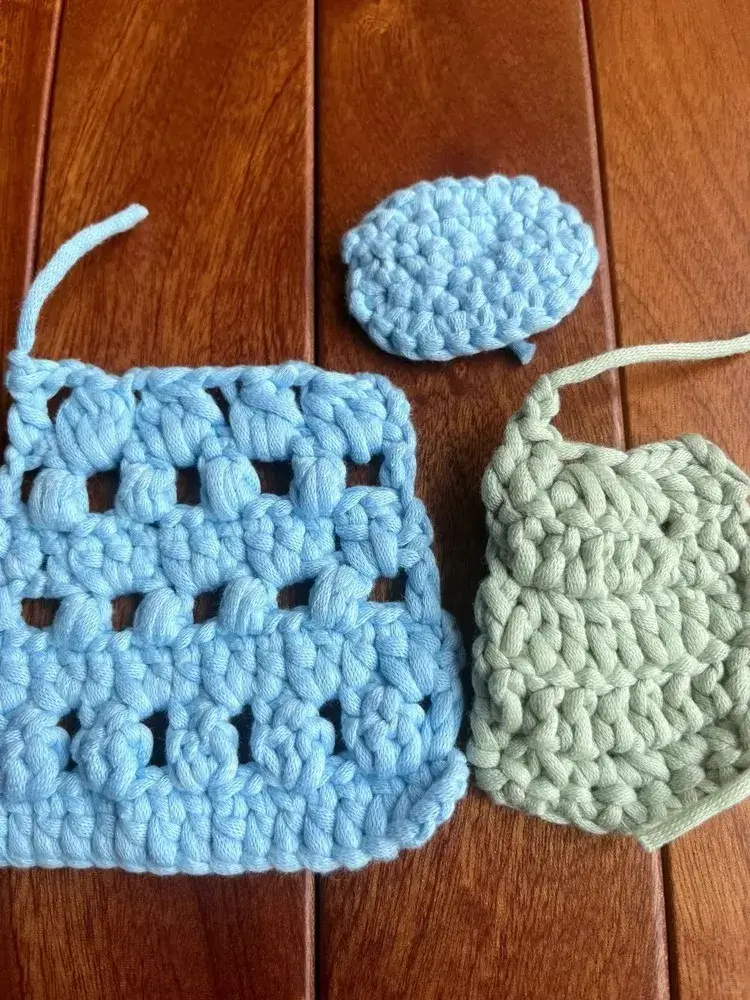
Once I stopped forcing myself to work with very thin yarn, crocheting immediately felt more manageable. A slightly thicker yarn gave clear, visible feedback — I could tell when I pulled too tight, missed a stitch, or needed to adjust.
Thin yarn hid those signals. Thicker yarn made them obvious.
For me, thicker yarn helped me learn faster not because it was easier, but because it made mistakes easier to see — and easier to fix.
Beginner Yarn Isn’t About Skill — It’s About Staying Motivated
Beginner yarn isn’t about looking professional or choosing the “right” thing on paper.
It’s about whether you can start without fear, finish your first project, and feel encouraged to keep going.
That’s why, if I had to choose again, I’d always choose the yarn that helped me stay.