When I first decided to learn crochet, I didn’t feel confident — I felt hesitant.
I was excited by the idea of making things with my hands, but at the same time, I had no idea where to begin. There were so many tutorials, so many tools, so many types of yarn. Every beginner guide seemed to assume I already knew something… which I didn’t. That confusion is exactly why I later created a simple Start Here page for complete beginners.
That’s when crochet kits started to feel very comforting.
Everything in one box.
No decisions to make.
No guessing what yarn to buy or which hook size to choose — at least, that’s what it felt like at the time.
It felt like the safest way to start. I didn’t yet understand how much yarn choice and hook size actually affect the learning experience.
I remember thinking that a kit would make crochet easier — that if all the materials were already chosen for me, I could focus on learning instead of worrying about doing something wrong before I even began.
At that stage, I wasn’t looking for the “best” tools or the “right” way to crochet. I just wanted a starting point that didn’t feel overwhelming.
And honestly, I think a lot of beginners feel the same way.
Why Crochet Kits Feel Like the Easiest Way to Start
When you’re brand new to crochet, everything feels like a decision. What kind of yarn to buy, which hook size to choose, and even what kind of project counts as “beginner” can feel surprisingly overwhelming.
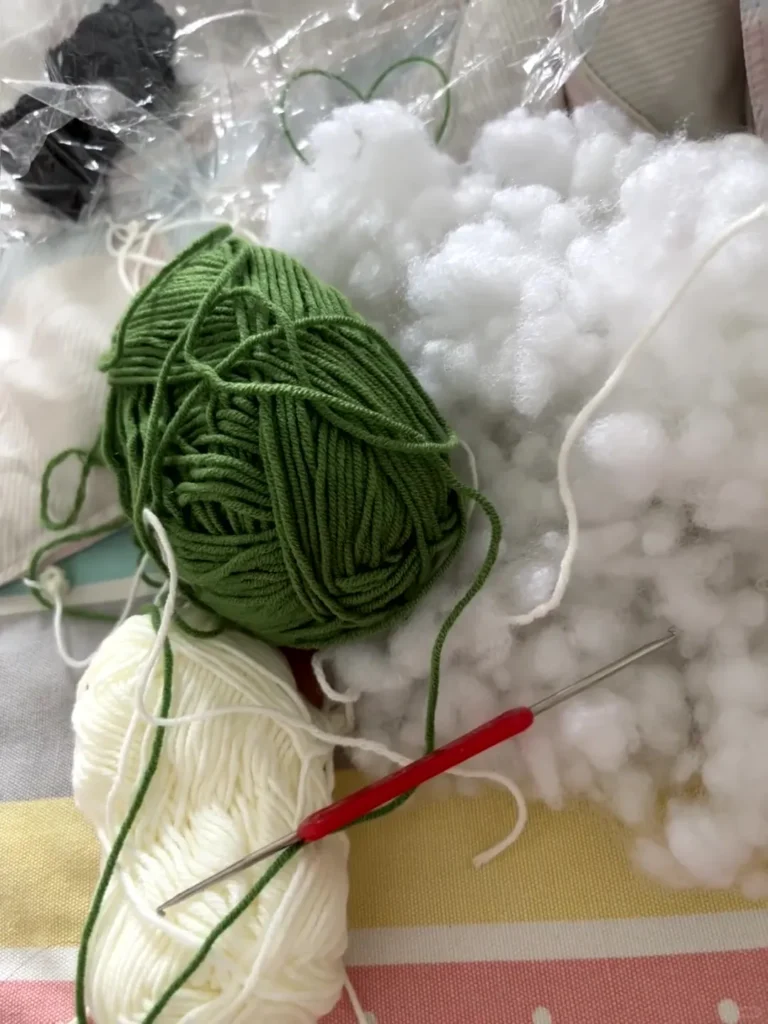
That’s where crochet kits start to feel appealing. You don’t have to choose the yarn, worry about hook sizes, or spend hours deciding what to make first. Everything comes in one box, already planned out for you.
For someone just starting out, fewer decisions often feel safer. A kit gives you one clear project and one clear path forward, which can be very reassuring when you’re not confident yet.
There’s also comfort in knowing what the finished piece is supposed to look like. Instead of learning stitches in the abstract, you’re working toward a specific result, which can make the process feel more concrete and less intimidating.
Because of that, it makes complete sense that many beginners are drawn to crochet kits first. Not because they’re trying to take shortcuts, but because they’re looking for a gentler way to begin.
But Not All Beginners Are Looking for the Same Thing
Not all crochet beginners start with the same expectations. Some people want a quick way to try something new, while others are more interested in learning the craft itself, even if progress is slow at first.
That difference matters more than most beginner guides admit. What feels helpful for one type of learner can feel frustrating for another, even if they’re both technically “beginners.”
If You’re Patient and Want to Truly Learn Crochet
Some beginners are naturally patient. They don’t mind starting slowly, repeating the same motions, or practicing without a finished project in sight. For them, learning crochet is less about the result and more about understanding how everything works from the beginning.
If you’re someone who wants to build a long-term hobby, you might actually enjoy choosing your own yarn, learning why hook size matters, and spending time on basic stitches — like the chain stitch and single crochet — before moving on to projects. The process itself feels meaningful, even when the progress isn’t visible yet.
For this kind of learner, a crochet kit isn’t always the best starting point. When too many choices are made for you upfront, it can be harder to understand why things work the way they do, or what to adjust when something feels off.
That was something I didn’t realize at the beginning.
When I first started learning crochet, I chose a kit too. At the time, it felt like the responsible choice — everything was included, and I wouldn’t have to worry about picking the “wrong” materials as a beginner.
My First Crochet Kit Experience (And Why It Made Things Harder)
When I first decided to learn crochet, buying a kit felt like the safest option. I didn’t know how to choose yarn, I didn’t understand hook sizes, and I definitely didn’t know how to read patterns yet. A kit promised to remove all of that uncertainty.
At the time, I thought that was exactly what I needed. Everything in one box meant fewer decisions, fewer chances to mess up, and a clearer path from “beginner” to “finished project.”
The kit I bought cost around $20, which felt reasonable for trying out a new hobby. I assumed the materials would be beginner-friendly, because that’s who the kit was made for.
But once I opened it, things didn’t feel as smooth as I expected.
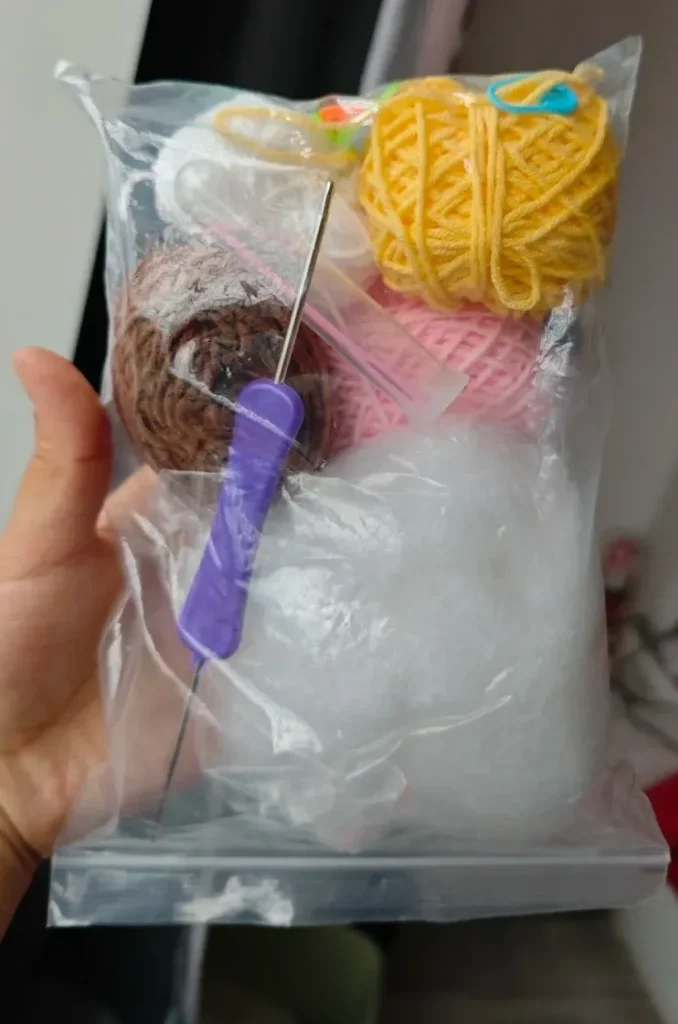
The yarn was low quality and split easily. Later, when I tried a smoother beginner-friendly yarn, the difference was immediately noticeable. Instead of one full skein, it came in several small pieces in different colors, which made it harder to keep consistent tension. Every time I tried to pull a loop through, the yarn would separate, and my hook kept catching individual strands.
The hook itself didn’t help either. It was a cheap plastic double-ended hook that felt slippery in my hand and awkward to control. As a beginner, I didn’t know what a hook should feel like, so I assumed the discomfort was normal.
The instructions were another challenge. The video tutorial was unclear, and the written steps didn’t make much sense to me. I kept pausing, rewinding, and second-guessing myself, unsure whether I was misunderstanding the technique or just doing everything wrong.
The hardest part wasn’t the mistakes themselves. It was the way they felt.
Because I didn’t know any better, I blamed myself. I thought my hands weren’t coordinated enough, that I just wasn’t “getting” crochet, or that I lacked the patience other people seemed to have.
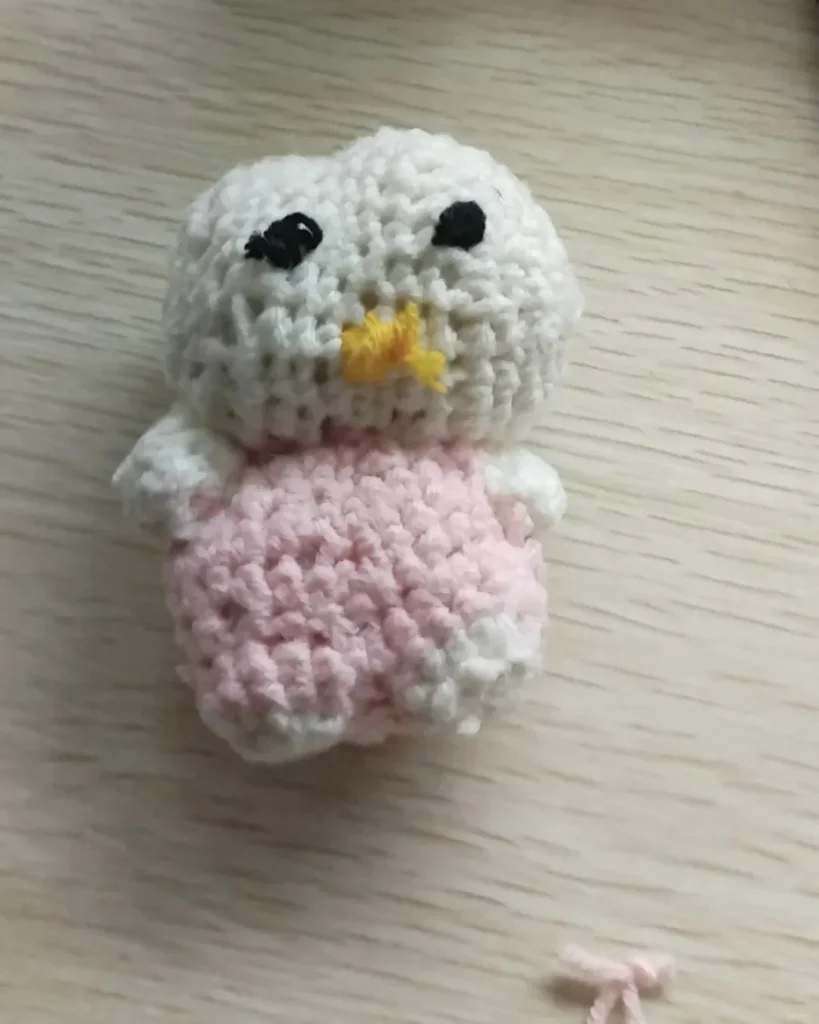
When I finally finished the project — uneven, twisted, and nothing like the photo — the sense of accomplishment I expected never came. Instead, it made me want to put the hook down and not pick it up again.
Looking back, I realize how discouraging that moment was. Not because crochet is hard, but because I couldn’t tell the difference between a beginner mistake and bad materials.
What I’d Recommend Instead (For the “Slow Learner” Type)
If you’re the kind of person who likes to learn things slowly — really slowly — I’d approach crochet a little differently.
Not because you need better tools, or more tools, but because reducing friction matters more than having everything included in one box.
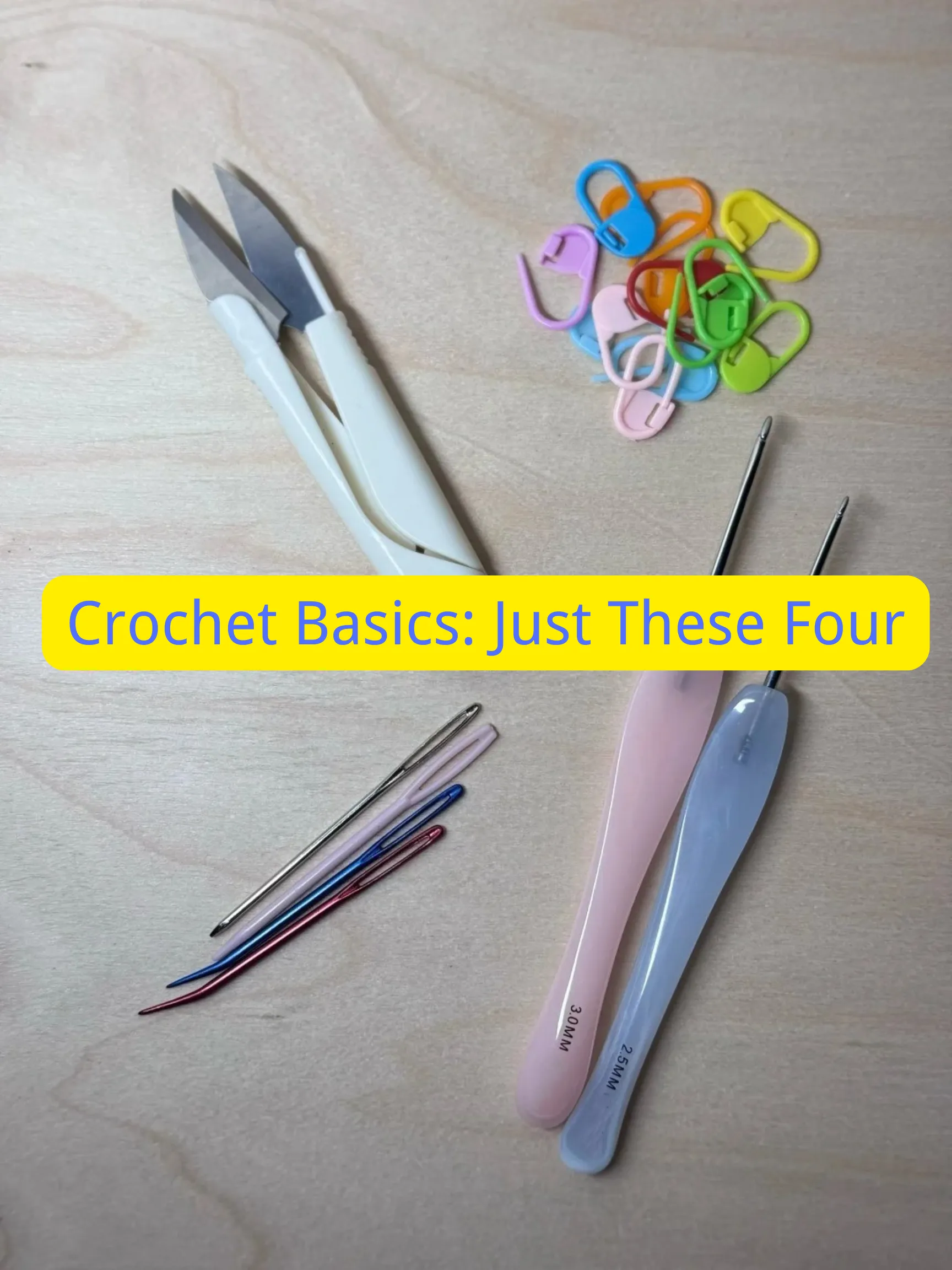
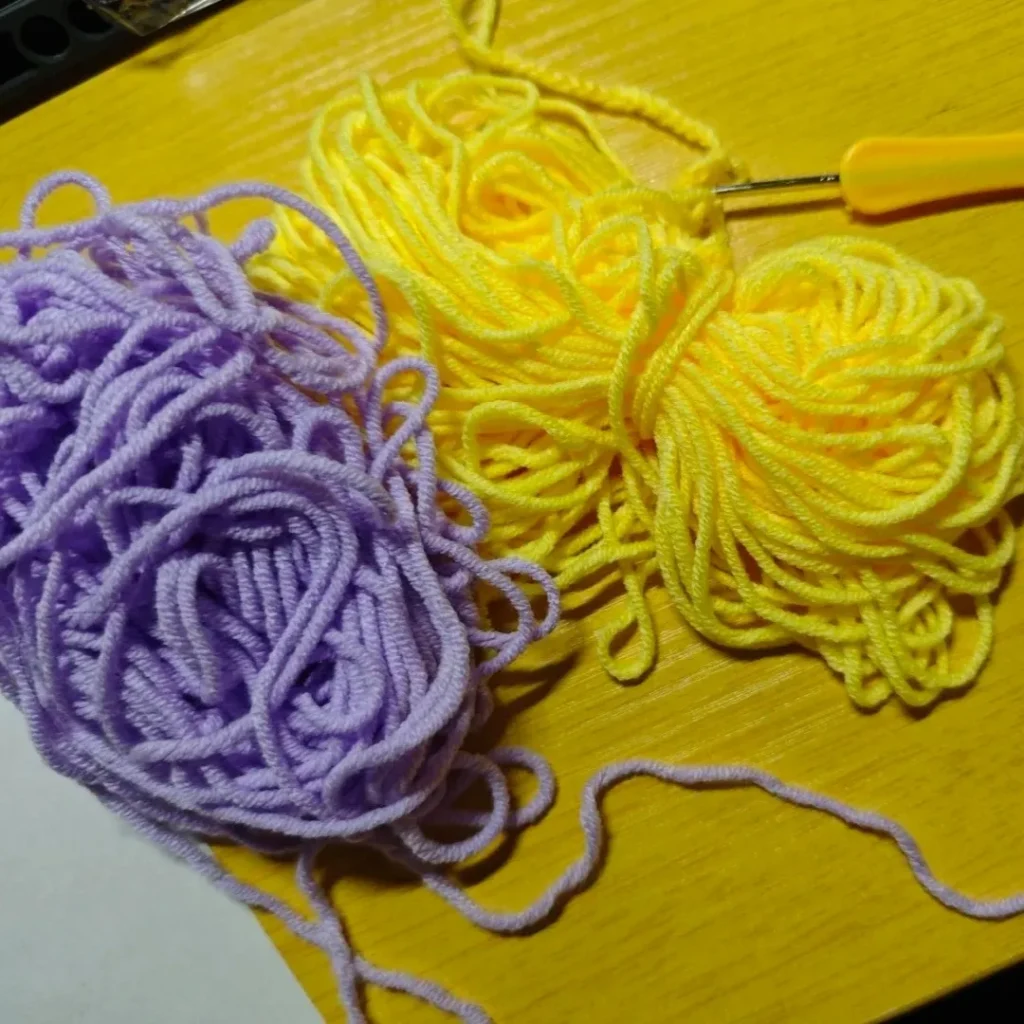
Here’s what I’d actually recommend starting with.
- One good-quality yarn, slightly thicker than average.
A smooth, medium-to-thick yarn makes it much easier to see your stitches and understand what your hook is doing. When the yarn doesn’t split easily, your hands can focus on learning the motion instead of fighting the material. - A simple, standard crochet hook.
You don’t need an expensive set. A regular double-ended hook works just fine for beginners, and buying a single hook lets you get familiar with how it feels in your hand. - No pressure to buy “the best” tools yet.
At this stage, comfort and clarity matter more than brand or price. You can always upgrade later, once you know what you like. - Stitch markers are optional.
Paper clips, safety pins, or even small binder clips work surprisingly well. You don’t need special accessories to understand where a row starts or ends. - Everything else can wait.
Yarn needles, project bags, fancy hooks — those make sense after crochet starts to feel familiar, not before.
The goal here isn’t to spend less money. It’s to lower the mental load.
When the materials cooperate with you instead of fighting back, learning feels calmer. Mistakes become easier to spot, and frustration doesn’t pile up as quickly.
For slow learners — the kind who care more about understanding than rushing toward a finished piece — that difference matters a lot.
When a Crochet Kit Actually Makes Sense
That said — crochet kits do make sense in certain situations.
If your interest in crochet came from a moment of curiosity — seeing a finished piece online, watching someone crochet on a train, or stumbling across a cute project — a kit can feel like the safest way to try.
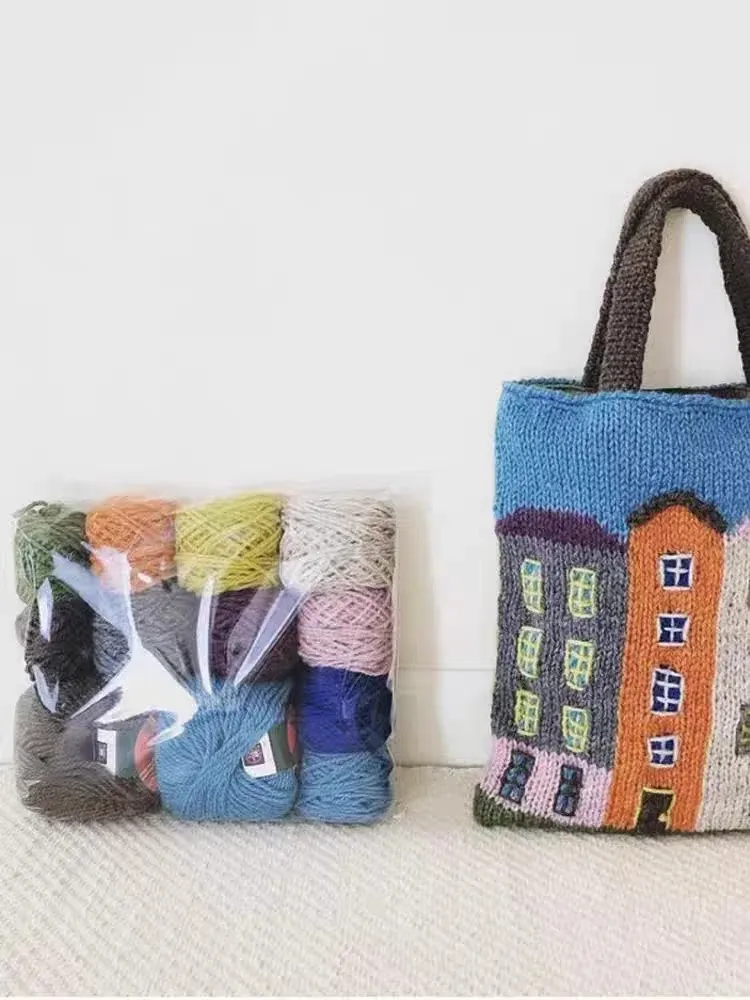
You don’t have to choose yarn.
You don’t have to choose a hook.
You don’t even have to choose a project.
For someone who isn’t sure yet whether crochet will stick, fewer decisions can mean less pressure.
In that case, a kit works less as a learning tool, and more as a test.
It lets you answer one simple question: Do I actually enjoy this?
And if the answer turns out to be “not really,” that’s okay. You haven’t invested in a full set of tools or expensive yarn, and you can walk away without feeling guilty.
If the answer is “yes” — if you finish one or two small projects and feel that pull to keep going — then the kit has done its job.
At that point, it becomes easier to justify buying better yarn, choosing hooks that feel right in your hand, and slowing down to really learn the basics.
So for curious beginners who just want to try, crochet kits can be a perfectly reasonable starting point — not because they teach everything well, but because they make starting feel less intimidating.
If a Kit Helps You Finish One Project, That’s Already a Win
I don’t think the real value of a crochet kit is that it teaches you how to crochet.
Its value is much simpler than that.
A kit helps you finish one project.
And for a complete beginner, finishing something — anything — matters more than doing everything “the right way.”
That first finished piece answers an important question: Do I want to keep going?
If the answer is no, the kit has still done its job. You tried, you learned a little, and you didn’t overcommit.
If the answer is yes, that’s when things naturally change.
That’s when upgrading your yarn starts to make sense.
That’s when you begin to notice how different hooks feel in your hand.
That’s when you’re willing to slow down and actually learn the basics, stitch by stitch.
In other words, the kit isn’t the destination.
It’s just a doorway.
And once you know you want to walk further, you don’t need to stay there anymore.
There’s No “Right” Start — Only the One That Fits You
There’s no single correct way to start crocheting.
Some people need structure. Some need freedom. Some just need a small, low-pressure way to try.
What matters most is this: don’t let one frustrating beginning convince you that crochet isn’t for you.
Sometimes it’s not you that made things hard — it’s just the starting point that didn’t fit yet.