That’s also why the tutorials on this site start small — intentionally.
Instead of beginning with large projects or bulky materials, this site is built around simple tools and short, manageable projects. Many of the small projects here use hooks in the 2–3 mm range because they are made as mini pieces, keychains, tiny animals, or small accessories. If you are completely new, though, it is also okay to practice first with a slightly larger hook and smooth, easy-to-see yarn before moving into tiny details.
I believe that for beginners, sticking with crochet matters more than doing “impressive” projects right away. Being able to finish something — even something very small — changes how learning feels. A project you can complete in one short sitting gives you a clearer sense of progress and helps your hands absorb the basics without pressure.
Those small wins matter. They build confidence, muscle memory, and a quiet understanding of how crochet works — things that are much harder to develop when you’re struggling through a long project too early.
Once the basics feel familiar, moving on to bigger pieces like hats, sweaters, or bags becomes far less intimidating. At that point, longer projects feel like a natural next step instead of an exhausting hurdle.
This page is built around that idea:
start simple, finish something, and let progress grow from there.
If You’re a Complete Beginner, Start Here
You don’t need to learn everything at once. You just need a small order that makes sense.
Most beginners do not struggle because crochet is impossible. They struggle because they are trying to learn too many things at the same time — stitch names, yarn choices, tension, pattern reading, videos, and project instructions all at once.
The path below keeps things simple: learn one basic stitch, practice it slowly, then use it in a tiny project you can actually finish. That small finished piece matters more than rushing into something impressive too early.
A Simple Beginner Crochet Path
This is the order I would follow if I were starting again from zero.
🧶 Step 1 — Learn the Chain Stitch
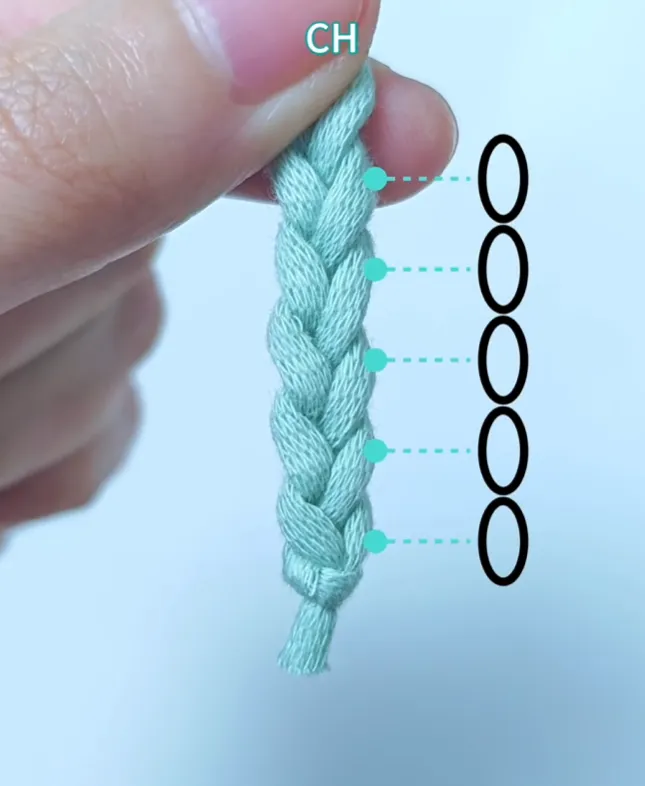
This is the foundation of almost every crochet project.
The chain stitch is where everything begins. It teaches you how to hold the hook, how the yarn moves, and how tension starts to form. You don’t need speed here — just enough control to make your chains look reasonably even. If you want a tiny first finish right after practicing chains, this easy crochet bracelet is a lovely place to start.
🧶 Step 2 — Learn Single Crochet (What’s Normal vs Not)
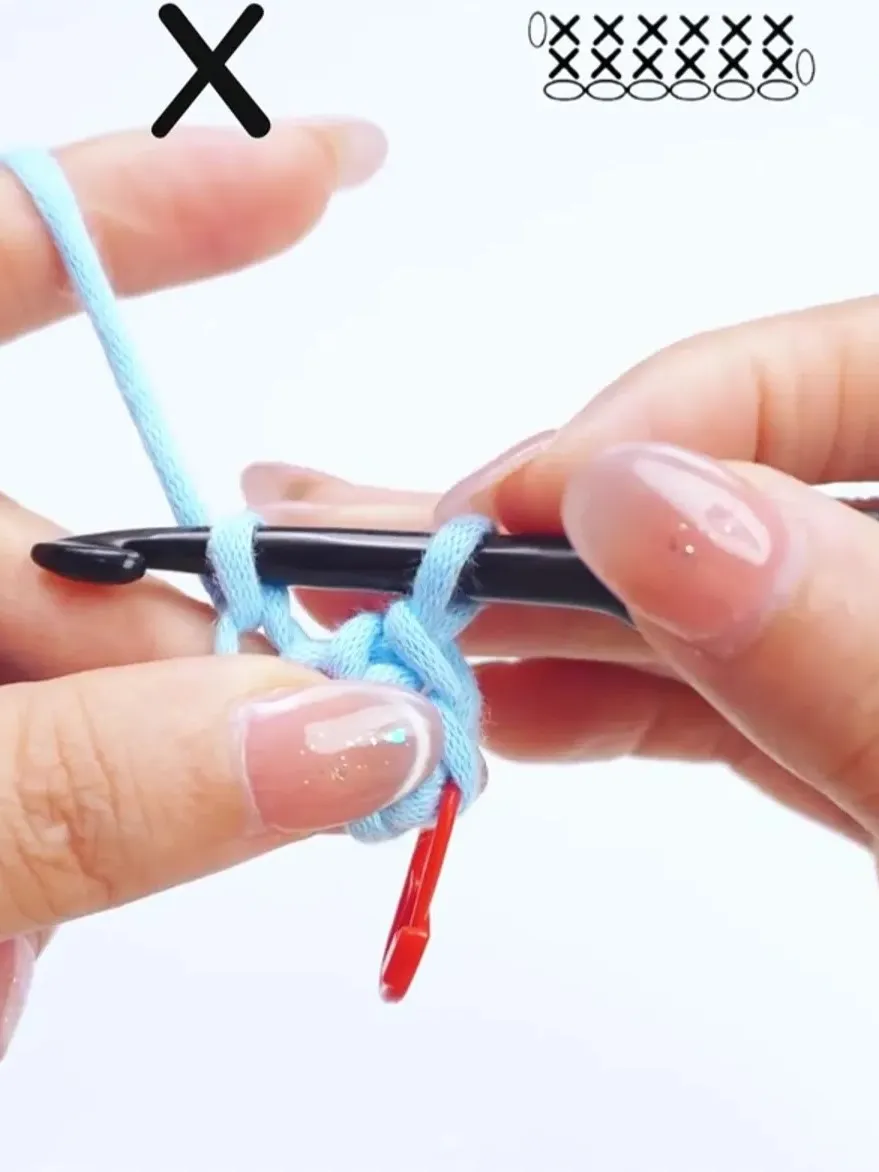
This is where your hands start to understand tension and rhythm.
Single crochet is often the point where beginners start doubting themselves. The fabric feels tight. The rows curve. The stitches don’t always look the way tutorials make them look. Learning what’s normal at this stage makes a huge difference.
🧶 Step 3 — Learn Double Crochet (Slow Practice)
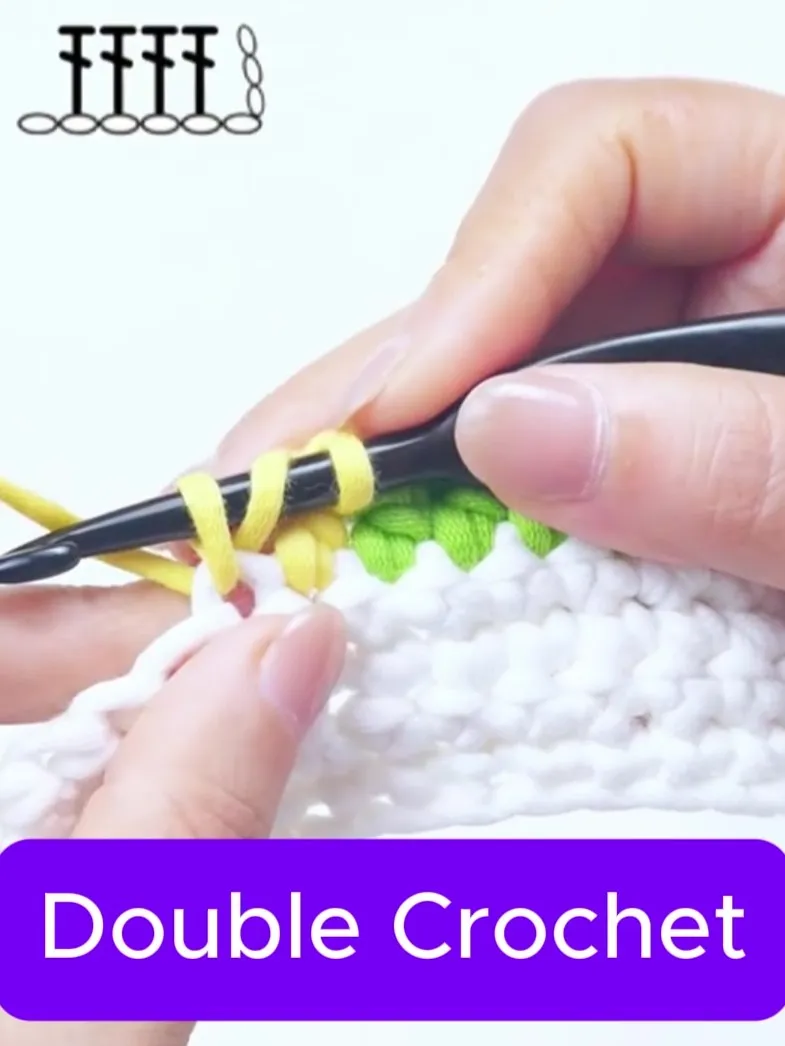
Double crochet teaches height, spacing, and flow.
This is usually the moment when crochet starts to feel more intuitive. Taller stitches show you how fabric opens up, how rows gain height, and how movement becomes smoother. Practicing this slowly helps everything click without rushing.
🧶 Step 4 — Make Your First Simple Project
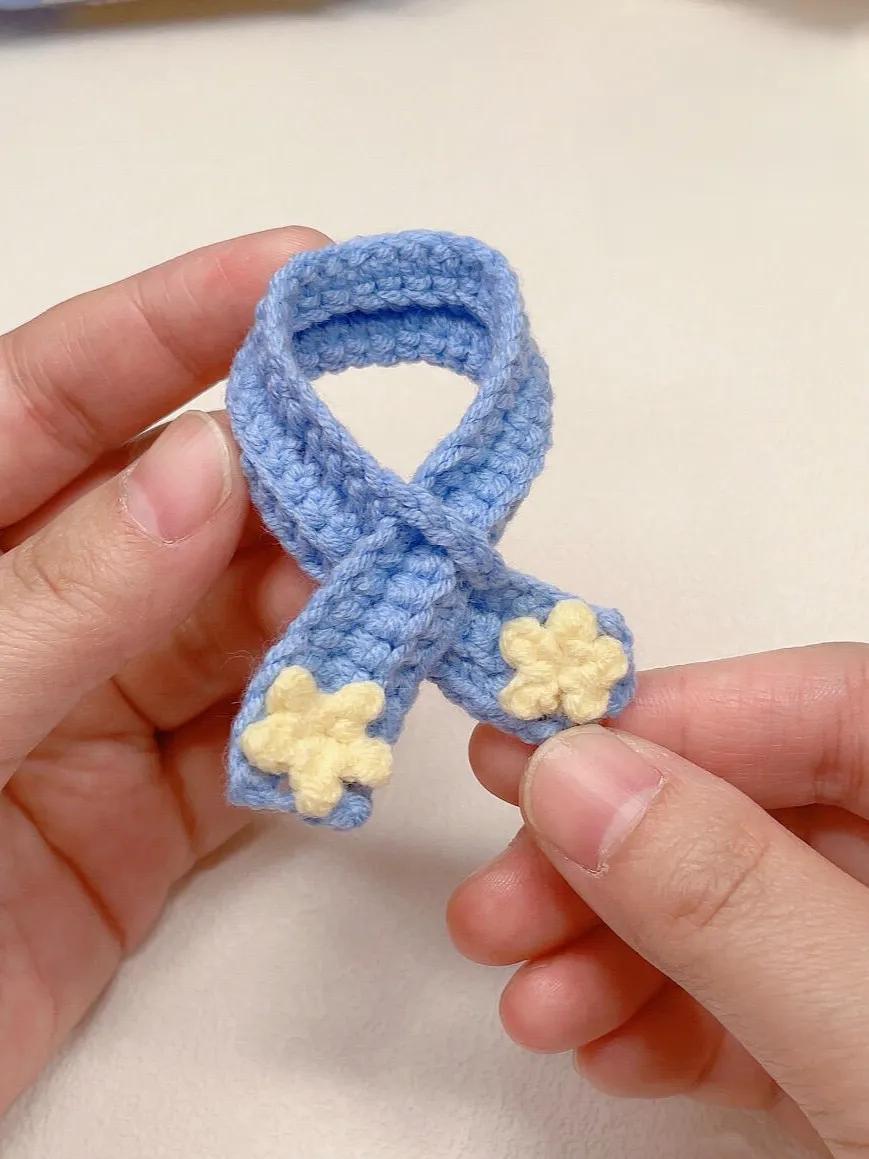
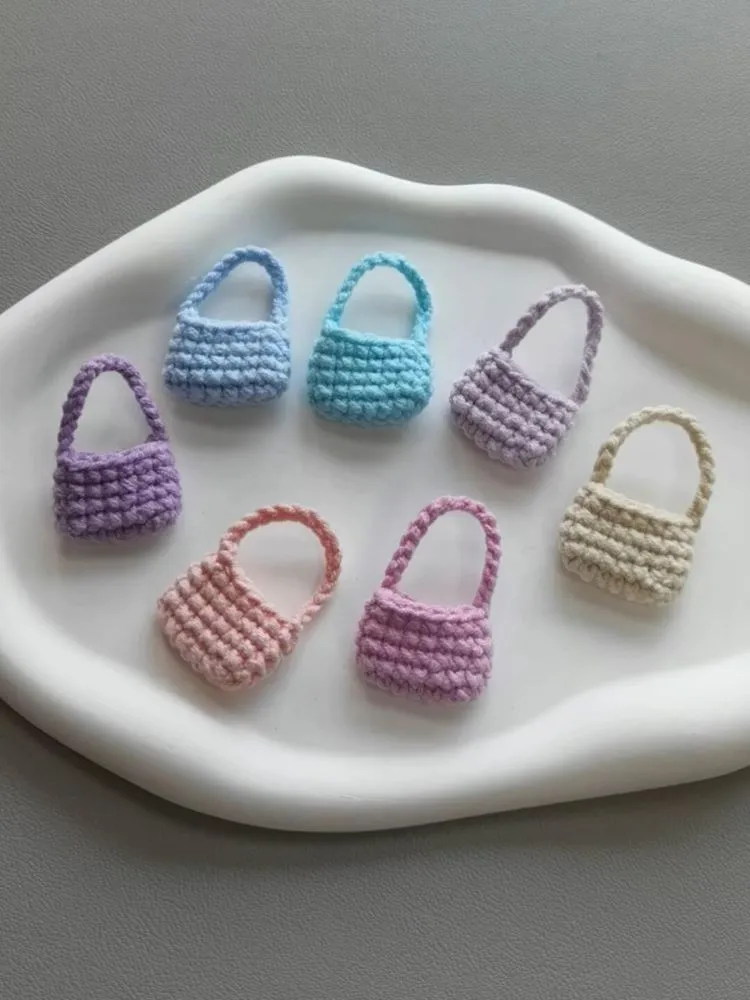
This is where everything finally feels real.
Finishing a small project closes the loop. You’re no longer just practicing stitches — you’re making something from start to finish. It doesn’t have to be perfect. It just has to be finished.
Once you’ve reached this point, you’ve completed a full beginner cycle: learning, practicing, and finishing. From here, moving forward feels much less intimidating.
At this point, you can:
✓ Hold the hook comfortably
✓ Control basic tension
✓ Read simple written patterns
✓ Finish a small project on your own
Want a Little More Practice?
If you’ve finished your first small project and want something slightly different to try, these are good next steps. You don’t need to do all of them right away — choose the one that matches what you want to practice next.
- Magic Ring — useful if you want to make circles, amigurumi, coasters, or projects that start from the center.
- Single Crochet Coaster — a simple flat project for practicing straight edges and even tension.
- Double Crochet Circle — a gentle way to practice taller stitches while learning how increases shape a round piece.
When simple flat practice starts to feel comfortable, you can also try a more playful project like this orange drawstring pouch. It is a small introduction to shaping and working in the round.
Tools & Materials: Keep It Simple
You don’t need a full crochet kit to start. One comfortable hook and one smooth, beginner-friendly yarn are enough to learn the basics and figure out whether crochet feels right for you.
If you are wondering whether a kit is worth it, I wrote a calmer breakdown here: Are Crochet Kits Good for Beginners?
For simple material choices, these two guides may help:
These are not requirements. They are just a calmer starting point if you do not want to overthink your first tools.
Written Patterns vs Charts
Most beginners start with written instructions.
They read like directions, follow one step at a time, and feel familiar if you’re new to crochet.
Chart symbols usually come later — after your hands recognize basic stitches and repeats. For most beginners, that’s after finishing one or two small projects.
There’s no deadline for learning charts. And you’re not behind if they don’t make sense yet.
If you’re curious, this guide explains chart symbols slowly and without pressure:
👉 Crochet Chart Symbols Explained (No-Stress Beginner Guide)
Before You Go
You don’t need to be fast, and you don’t need to understand everything the first time.
Messy stitches, frogging, starting over, losing count — these are not signs that you are bad at crochet. They are part of how your hands learn.
If something feels confusing, it usually does not mean you are doing everything wrong. It usually means you are new.
Start small, finish one thing, and let the next stitch teach you the next step.
If you are ready to try a small project now, visit the First Projects page and choose something that feels simple enough to finish in one sitting.